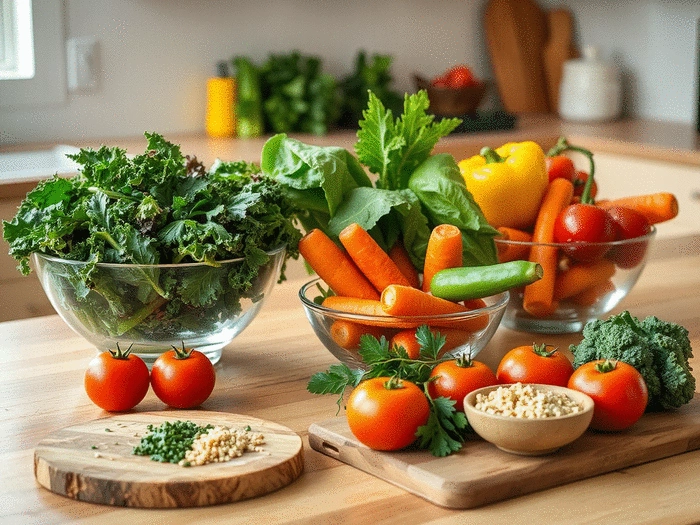
Unlock Your Best Health!

Join the Wellness Insider HQ community for exclusive insights on holistic health, fitness, and nutrition.

Simple Steps to Plant-Based Eating


Simple Steps to Plant-Based Eating

Posted on: 2026-03-14
By: Sofia Ainsworth


What if I told you that adopting a whole-food, plant-based diet could not only enhance your health but also contribute to a more sustainable planet? This lifestyle shift is more achievable than you might think, and the benefits are substantial!

What You Will Learn

  • The core components of a whole-food, plant-based diet, including fruits, vegetables, whole grains, legumes, nuts, and seeds.
  • Key principles to thrive on this diet, emphasizing whole foods, plant-based ingredients, and seasonal eating.
  • Practical initial steps for transitioning to a plant-based lifestyle, such as starting small and finding community support.
  • The long-term health benefits associated with a plant-based diet, including improved heart health and nutritional diversity.
  • The environmental impact of your dietary choices and how plant-based eating contributes to sustainability.
  • Strategies for differentiating between whole foods and processed plant-based options to maximize health benefits.

Transitioning to a Plant-Based Lifestyle: A Step-by-Step Approach

A practical guide to help you comfortably shift to a plant-based diet, focusing on gradual changes and sustainable habits for lasting success.

Getting Started: Initial Steps

  • Educate Yourself
  • Start Small (1 plant-based meal/day)
  • Find Support

Gradual Swaps: Key Alternatives

  • Milk: Almond, Oat, Soy
  • Meat: Tempeh, Jackfruit, Plant-based burgers
  • Eggs: Flaxseed meal, Silken tofu

Kitchen Prep: Stocking Staples

  • Whole Grains (brown rice, quinoa)
  • Legumes (beans, lentils)
  • Fruits & Vegetables
  • Nuts & Seeds

Elimination & Reintroduction

  • Phased Approach to changes
  • Listen to Your Body's Needs

Understanding the Whole-Food, Plant-Based Diet

Adopting a whole-food, plant-based diet can be a transformative step toward enhanced health and well-being. This approach emphasizes consuming minimally processed foods that come from plants, which can lead to numerous benefits, including improved energy levels and a more vibrant lifestyle. With my background in nutrition and wellness at Wellness Insider HQ, I'm excited to share insights on how you can incorporate this nourishing way of eating into your life!

So, what exactly does this diet entail? At its core, a whole-food, plant-based diet focuses on foods that are as close to their natural state as possible. Think fruits, vegetables, whole grains, legumes, nuts, and seeds—all delicious options that can power your body and mind!

What Does a Whole-Food, Plant-Based Diet Entail?

A whole-food, plant-based diet excludes processed foods, refined sugars, and animal products. The goal is to fill your plate with nutrient-dense foods that provide your body with the best fuel. Here are some key components of this lifestyle:

  • Fruits and Vegetables: Aim for a variety of colors and types to maximize nutrient intake.
  • Whole Grains: Think brown rice, quinoa, and whole grain bread. These are great sources of fiber!
  • Legumes: Beans, lentils, and chickpeas are fantastic protein sources.
  • Nuts and Seeds: A small handful can offer healthy fats and proteins.
Assortment of fresh fruits, vegetables, whole grains, legumes, nuts, and seeds on a rustic wooden table, overhead shot

By emphasizing these whole, plant-based foods, you're not only nourishing your body but also contributing to a more sustainable planet—how great is that? For practical guidance on starting this journey, a beginner's guide to a plant-based diet can be incredibly helpful.

Key Principles of Whole Foods and Plant-Based Eating

To thrive on a whole-food, plant-based diet, it's essential to understand its core principles. Here are some guiding principles that can help you navigate this dietary shift:

  • Focus on Whole Foods: Choose foods that are less processed and have fewer additives.
  • Prioritize Plant-Based Ingredients: Make plants the centerpiece of your meals.
  • Listen to Your Body: Pay attention to how different foods make you feel.
  • Eat Seasonally: Whole foods are often more flavorful and nutritious when they’re in season.

Embracing these principles can lead to a more gratifying eating experience, where food becomes not just fuel but a source of joy and connection!

Step-by-Step Guide for Transitioning to a Plant-Based Lifestyle

Transitioning to a plant-based lifestyle doesn't have to be overwhelming. With a few initial steps and gradual changes, you can make this shift comfortably. I believe in a practical, step-by-step approach that allows you to adapt at your own pace, ensuring lasting success!

Getting Started: Initial Steps for Beginners

As you embark on this journey, consider these initial steps:

  • Educate Yourself: Read books or articles about plant-based nutrition to deepen your understanding.
  • Start Small: Incorporate one plant-based meal a day to ease into the lifestyle.
  • Find Support: Engage with friends or online communities who share similar goals.

By taking small, manageable steps, you can build confidence in your new dietary choices and discover the joy of plant-based eating! For more detailed information, this beginner's guide to a plant-based diet provides an excellent starting point.

Gradual Swaps: Incorporating Plant-Based Alternatives

One effective way to transition is by gradually swapping out animal products for plant-based alternatives. Here are some swaps to consider:

  • Milk: Try almond, oat, or soy milk instead of dairy.
  • Meat: Explore options like tempeh, jackfruit, or plant-based burgers.
  • Eggs: Use flaxseed meal or silken tofu in recipes as an egg replacement.

These swaps can open up a world of delicious possibilities while making the transition smoother!

Kitchen Prep: Cleaning Out Animal Products and Stocking Staples

A well-prepared kitchen is key to your success! Start by cleaning out your pantry and fridge of animal products. Then, stock your kitchen with staples for plant-based cooking:

  • Whole Grains: Brown rice, quinoa, and whole-wheat pasta.
  • Legumes: Canned or dried beans and lentils.
  • Fruits and Vegetables: Fresh, frozen, or canned without added sugar or salt.
  • Nuts and Seeds: Almonds, walnuts, chia seeds, and flaxseeds.

With these essentials on hand, you’ll be ready to whip up nutritious meals in no time!

Understanding Elimination and Reintroduction Phases

As you transition, it’s beneficial to understand the elimination and reintroduction phases. This helps you identify what works best for your body. Here’s how to approach these phases:

Phased Approach: What to Expect During Your Transition

Initially, you may eliminate animal products completely. Pay attention to how your body feels. After a few weeks, you can start reintroducing different foods to see how they affect your overall health and energy levels.

Identifying Your Body’s Needs: Listening to Your Response

Throughout this journey, it’s essential to listen to your body. You might discover some foods that make you feel fantastic while others may not sit well. Keeping a food journal can help track these responses and guide your dietary choices moving forward. Remember, it’s about finding what nourishes you best!

Pro Tip

Did you know? Incorporating a variety of colors in your meals can enhance your nutrient intake! Aim to include fruits and vegetables of different hues, as each color represents different vitamins and minerals essential for your health. For example, orange and yellow foods are rich in vitamin C, while greens are great sources of iron and calcium. Make your plate a rainbow!

The Long-Term Benefits of Embracing a Plant-Based Diet

Transitioning to a plant-based diet is more than just a trend; it’s a lifestyle change that can lead to remarkable health improvements. At Wellness Insider HQ, I’ve seen firsthand how adopting a whole-food, plant-based diet can transform lives. Let's explore the long-term benefits that come from embracing this nourishing way of eating!

Health Advantages: Heart Health and Nutritional Diversity

One of the most significant benefits of a plant-based diet is its positive impact on heart health. Research shows that diets rich in fruits, vegetables, whole grains, and legumes can lower cholesterol levels and reduce the risk of heart disease. These foods are packed with antioxidants and essential nutrients that support cardiovascular health.

  • Lower blood pressure
  • Reduced LDL cholesterol levels
  • Improved blood flow and circulation
Healthy woman smiling and holding a bowl of fresh salad, vibrant and clean kitchen background

Additionally, a plant-based diet provides nutritional diversity, ensuring you get a wide range of vitamins and minerals that your body needs. This diversity can lead to improved energy levels, better immune function, and overall well-being!

Environmental Impact: How Your Choices Matter

Choosing a plant-based diet also plays a critical role in supporting the environment. By reducing your consumption of animal products, you are contributing to lower greenhouse gas emissions and less deforestation. Every meal you prepare is an opportunity to make a difference! You can learn more about sustainable plant-based eating and its environmental benefits.

  • Less water usage compared to animal agriculture
  • Reduction in pollution from livestock farming
  • Support for sustainable farming practices

By embracing a plant-based lifestyle, not only are you nourishing your body, but you're also taking steps to protect our planet for future generations!

Understanding the Health Risks of Processed Foods

While transitioning to a plant-based diet, it’s essential to distinguish between whole foods and processed plant-based options. Many processed foods, even those labeled as vegan, can contain unhealthy additives, high sugar levels, and unhealthy fats. At Wellness Insider HQ, I always advocate for a focus on whole foods to maximize your health benefits.

  • Increased risk of chronic diseases
  • Potential weight gain due to unhealthy ingredients
  • Less nutritional density compared to whole foods

Being mindful of your food choices is key in maintaining optimal health on your plant-based journey!

Your Next Steps: Taking Action Towards a Plant-Based Lifestyle

Now that you understand the long-term benefits of a plant-based diet, what’s next? Taking action is essential for success! At Wellness Insider HQ, I encourage you to engage with a community that shares your wellness goals.

Engaging with a Community: Finding Support and Resources

Connecting with others who are also transitioning to a plant-based lifestyle can provide motivation and accountability. Seek out local groups, online forums, or social media communities focused on plant-based eating. Sharing experiences and tips can make the journey even more enjoyable!

Start Your Journey: Practical Tips for Launching Your Transition Today

Ready to get started on your plant-based journey? Here are some practical tips to help you launch your transition:

  • Begin by incorporating more vegetables and whole grains into your meals.
  • Experiment with plant-based recipes that excite you!
  • Educate yourself using books, blogs, and cooking classes.

Exploring Plant-Based Cookbooks and Cooking Blogs for Inspiration

There are countless resources available to inspire your cooking! Some of my favorites include popular plant-based cookbooks and blogs that focus on delicious, easy-to-make recipes. These resources can be a game-changer in understanding how to prepare wholesome meals!

Cooking Techniques: Easy Methods for Beginners

When starting out, focus on straightforward cooking techniques that boost your confidence in the kitchen. Simple methods such as roasting, steaming, and stir-frying can help you create flavorful meals without overwhelming complexity. Remember, it’s all about progress, not perfection!

Frequently Asked Questions About Plant-Based Diets

Q1: What are the core components of a whole-food, plant-based diet?
A1: The core components include fruits, vegetables, whole grains (like brown rice and quinoa), legumes (beans, lentils, chickpeas), nuts, and seeds. The focus is on minimally processed foods.
Q2: How can I start transitioning to a plant-based lifestyle without feeling overwhelmed?
A2: Start small by incorporating one plant-based meal a day, educating yourself, and finding support from communities. Gradually swap animal products for plant-based alternatives and stock your kitchen with staples.
Q3: What are the main health benefits of a plant-based diet?
A3: A plant-based diet can lead to improved heart health (lower blood pressure, reduced cholesterol), increased nutritional diversity, improved energy levels, and better immune function.
Q4: How does a plant-based diet contribute to environmental sustainability?
A4: By reducing your consumption of animal products, you contribute to lower greenhouse gas emissions, less deforestation, reduced water usage, and less pollution from livestock farming.
Q5: What's the difference between whole foods and processed plant-based options?
A5: Whole foods are minimally processed and close to their natural state (e.g., an apple). Processed plant-based options, even if vegan, can contain unhealthy additives, high sugar levels, and unhealthy fats, offering less nutritional density.
Q6: What are some good plant-based alternatives for common animal products?
A6: For milk, try almond, oat, or soy milk. For meat, consider tempeh, jackfruit, or plant-based burgers. For eggs, use flaxseed meal or silken tofu in recipes.

Recap of Key Points

Here is a quick recap of the important points discussed in the article:
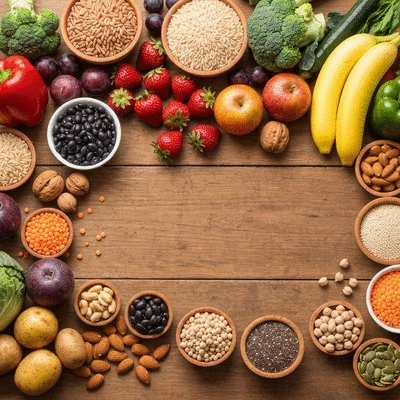
  • Whole-Food Focus: Prioritize minimally processed foods like fruits, vegetables, whole grains, legumes, nuts, and seeds.
  • Gradual Transition: Start small by incorporating one plant-based meal a day and gradually swap out animal products.
  • Listen to Your Body: Keep a food journal to understand how different foods affect your energy and well-being.
  • Environmental Benefits: Embrace plant-based eating to support sustainability and reduce your carbon footprint.
  • Stay Educated: Engage with communities and resources to stay motivated and informed about plant-based nutrition.

Subscribe & Share
Integrative Health: Movement, Nutrition, Mindset Integrative Health: Movement, Nutrition, Mindset What if a simple shift in your lifestyle could transform your health? Integrative health emphasizes
Simple Steps to Plant-Based Eating Simple Steps to Plant-Based Eating What if I told you that adopting a whole-food, plant-based diet could not only enhance your health b
Smart Timing for Healthy Snacks Healthy snack timing strategies for maintaining energy and focus Have you ever noticed how adjusting the timing of your snacks can dramatically impact your energy an
Banner
Wellness Insider HQ

Your go-to resource for mastering holistic health and well-being. We empower wellness-minded adults with science-backed insights and practical strategies.

Trusted by a vibrant community, our mission is to provide reliable, easy-to-follow guidance backed by expert knowledge and evidence-based research.

Learn More
Recent Posts
Integrative Health: Movement, Nutrition, Mindset Integrative Health: Movement, Nutrition, Mindset

What if a simple shift in your lifestyle could tra

Simple Steps to Plant-Based Eating Simple Steps to Plant-Based Eating

What if I told you that adopting a whole-food, pla

Healthy snack timing strategies for maintaining energy and focus Smart Timing for Healthy Snacks

Have you ever noticed how adjusting the timing of

Your Daily Wellness Insight