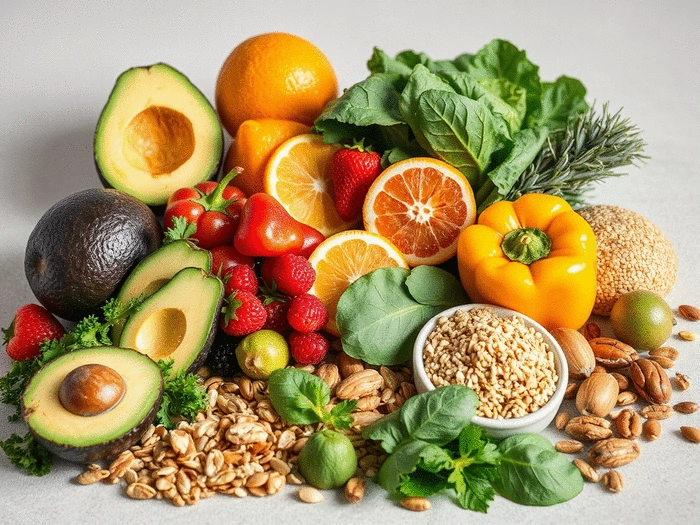
Are you ready to transform your wellness journey? Understanding nutrient-dense foods can be the key to unlocking a healthier lifestyle. Let's explore how these foods can empower you to achieve your health goals!
What You Will Learn
Nutrient-dense foods provide high vitamins and minerals with fewer calories, promoting overall health.
Key nutrients such as vitamins, minerals, fiber, and protein are essential for energy, digestion, and immune function.
Personalizing your nutrient intake based on lifestyle and health goals can enhance wellness outcomes.
Incorporating fermented foods like kefir and Greek yogurt improves gut health and nutrient absorption.
Tailoring your diet for specific health focus areas, such as heart health or digestive support, leads to better overall well-being.
Personalizing Nutrient Intake for Wellness Goals
Tailoring nutrient intake is crucial for achieving individual wellness goals. The visual below highlights key areas for dietary adjustments based on lifestyle and health focus.
Immune Support: Vitamin C (Citrus), Zinc (Nuts, Seeds)
Role of Probiotics (Kefir & Greek Yogurt)
Promote Digestive Health: Balance gut bacteria, reduce bloating.
Boost Immune Function: Healthy gut strengthens immunity.
Enhance Nutrient Absorption: Aid in making nutrients more bioavailable.
Understanding Nutrient-Dense Foods for Your Wellness
As we embark on our wellness journeys, understanding nutrient-dense foods is essential. These foods provide a high amount of vitamins and minerals relative to their calorie content. By incorporating more of these foods into our diets, we can enhance our overall health, boost our energy levels, and reduce the risk of chronic diseases. Let’s dive into why these foods matter and how they contribute to our well-being!
Nutrient-dense foods are like superheroes for our bodies, offering a wealth of essential nutrients without excessive calories. They play a crucial role in maintaining a balanced diet, which is a cornerstone of holistic health. At Wellness Insider HQ, we believe that making informed choices about what we eat can lead to empowered living! For instance, research consistently shows that a majority of US consumers acknowledge the importance of healthy eating, yet struggle with consistent implementation, highlighting the need for practical guidance on nutrient-rich diets.
What Are Nutrient-Rich Foods and Why They Matter
Nutrient-rich foods are those that deliver a high concentration of vitamins, minerals, and other beneficial compounds compared to their caloric content. This includes categories such as fruits, vegetables, whole grains, and lean proteins. Incorporating these foods into our diets is vital since they help in:
Maintaining energy levels throughout the day
Supporting immune function
Promoting healthy weight management
Reducing the risk of chronic diseases
When we prioritize nutrient-rich foods, we’re not just fueling our bodies; we’re also nurturing our minds and spirits. Choosing these foods can lead to a more vibrant, energetic life! The National Institutes of Health provides excellent resources on how different food groups contribute to overall health, emphasizing the importance of a diverse diet.
Key Nutrients Your Body Needs Daily
To thrive, our bodies require a spectrum of nutrients every day. Here’s a quick overview of some key nutrients and their benefits:
Vitamins: Essential for immune function, energy production, and skin health.
Minerals: Important for bone health and muscle function.
Fiber: Supports digestive health and helps in maintaining a healthy weight.
Protein: Crucial for muscle repair and overall body function.
By focusing on these nutrients, we can build a strong foundation for our wellness. Remember, a balanced diet is key—aiming for variety ensures we get a well-rounded intake of everything our bodies need. What nutrient-rich foods are you excited to try this week?
Essential Categories of Nutrient-Dense Foods
Pro Tip
Did you know? Incorporating a rainbow of fruits and vegetables into your meals not only makes your plate visually appealing but also ensures a diverse intake of essential nutrients. Aim for at least five different colors each day to maximize your nutrient density!
Personalizing Your Nutrient Intake for Specific Goals
When it comes to achieving your wellness goals, personalizing your nutrient intake is key. Each person has unique nutritional needs based on their lifestyle, health goals, and even activity levels. Whether you’re looking to boost your energy, support weight loss, or enhance muscle recovery, understanding what your body needs can help you thrive. Let's explore how to tailor your nutrient intake effectively!
Nutrient Recommendations for Different Lifestyles
Different lifestyles require different nutrients. For instance, if you lead a sedentary life, you might need fewer calories but still require essential nutrients. On the other hand, athletes or those with active jobs need a higher intake of carbohydrates and protein. Here are some tailored recommendations:
Sedentary Individuals: Focus on nutrient-rich foods such as fruits, vegetables, and whole grains, while monitoring portion sizes.
Active Adults: Increase your protein intake and include more complex carbohydrates like quinoa and brown rice to fuel your workouts.
Weight Loss Seekers: Emphasize fiber-rich foods like legumes and leafy greens to keep you full longer.
Muscle Builders: Prioritize protein sources such as eggs, nuts, and lean meats to support muscle repair and growth.
By understanding your lifestyle and adjusting your nutrient intake, you can make informed food choices that align with your wellness objectives! Data from the International Food Information Council (IFIC) highlights that understanding individual dietary needs is a growing trend among consumers seeking healthier lifestyles.
How to Adjust Your Diet for Health Focus Areas
Are you aiming to improve your heart health, enhance digestion, or boost your immune system? Each focus area has specific nutrients that can help. Here’s how to adjust your diet for these health goals:
Heart Health: Incorporate omega-3 fatty acids from fatty fish like salmon and walnuts, along with plenty of fruits and veggies.
Digestive Health: Add more fiber from whole grains, fruits, and especially fermented foods like kefir and Greek yogurt.
Immune Support: Fortify your diet with vitamin C-rich foods like citrus fruits, and zinc-rich options such as nuts and seeds.
By focusing on specific nutrients related to your health goals, you can efficiently enhance your overall well-being!
Exploring the Role of Probiotics: Kefir and Greek Yogurt
Probiotics play a vital role in our health, particularly for gut health. Foods like kefir and Greek yogurt are excellent sources of these beneficial bacteria. Here’s why you should consider incorporating them into your diet:
Promote Digestive Health: Probiotics help balance gut bacteria, which can improve digestion and reduce bloating.
Boost Immune Function: A healthy gut contributes to a stronger immune system, helping your body fight off infections.
Enhance Nutrient Absorption: Fermented foods can aid in the absorption of key nutrients, making them more bioavailable.
The Health Benefits of Fermented Foods
Including fermented foods like kefir and Greek yogurt in your meals can have a profound impact on your health. They are not only delicious but also packed with probiotics that can promote overall wellness. Try adding them to smoothies, oatmeal, or even as a base for salad dressings!
Frequently Asked Questions About Nutrient-Dense Foods
Here are some common questions about nutrient-dense foods and personalized nutrition:
Q1: What are nutrient-dense foods?
A1: Nutrient-dense foods are those that provide a high amount of vitamins, minerals, and other beneficial compounds with relatively fewer calories. Examples include fruits, vegetables, whole grains, and lean proteins.
Q2: Why is it important to personalize nutrient intake?
A2: Personalizing nutrient intake ensures that your diet aligns with your unique lifestyle, health goals, and activity levels. This helps you effectively achieve specific wellness objectives, such as weight loss, muscle gain, or improved heart health.
Q3: How do lifestyle differences affect nutrient recommendations?
A3: Sedentary individuals may focus on nutrient-rich foods while managing portion sizes, whereas active adults need more protein and complex carbohydrates to fuel their workouts and aid recovery. Weight loss seekers benefit from fiber-rich foods, and muscle builders prioritize lean proteins.
Q4: What role do probiotics like kefir and Greek yogurt play in health?
A4: Probiotics in foods like kefir and Greek yogurt promote digestive health by balancing gut bacteria, boost immune function by strengthening the gut, and enhance nutrient absorption, making essential nutrients more bioavailable.
Q5: How can I adjust my diet for specific health concerns like heart health or immune support?
A5: For heart health, incorporate omega-3s (salmon, walnuts) and plenty of fruits and vegetables. For digestive health, increase fiber (whole grains, fermented foods). For immune support, consume vitamin C (citrus) and zinc (nuts, seeds).
Final Thoughts on Building a Nutrient-Rich Routine
Creating a nutrient-rich routine is all about making informed choices that support your health goals. By personalizing your nutrient intake and focusing on foods that resonate with your lifestyle, you can cultivate a balanced diet that nourishes your body and mind.
Key Takeaways for Incorporating Nutrient-Dense Foods
As you embark on this journey, keep these key takeaways in mind:
Identify your wellness goals and tailor your nutrient intake accordingly.
Incorporate a variety of nutrient-dense foods from different food groups.
Don’t forget to include fermented foods for added health benefits.
Remember, at Wellness Insider HQ, we’re here to support you in achieving your health goals with reliable, science-backed information!
Join the Journey: Start Your Wellness Routine Today
Are you ready to take the first steps toward a healthier lifestyle? I invite you to start small. Pick one new nutrient-dense food to try this week and notice how it makes you feel. Every small change contributes to a larger goal, and together, we can create a vibrant community dedicated to wellness!
Recap of Key Points
Here is a quick recap of the important points discussed in the article:
Understanding nutrient-dense foods is crucial for enhancing overall health and reducing chronic disease risk.
Incorporate a variety of fruits, vegetables, whole grains, and lean proteins to maintain energy and support immune function.
Personalize your nutrient intake based on your lifestyle, activity level, and health goals.
Include fermented foods like kefir and Greek yogurt for improved gut health and nutrient absorption.
Focus on specific nutrients based on health goals, such as omega-3s for heart health and fiber for digestive wellness.
Smart Timing for Healthy Snacks
Have you ever noticed how adjusting the timing of your snacks can dramatically impact your energy an
Wellness Insider HQ
Your go-to resource for mastering holistic health and well-being. We empower wellness-minded adults with science-backed insights and practical strategies.
Trusted by a vibrant community, our mission is to provide reliable, easy-to-follow guidance backed by expert knowledge and evidence-based research.