What if a single dietary shift could enhance your health while benefiting the planet? Embracing a plant-based diet not only nourishes you but also champions sustainability and ethical eating. Let’s explore the vital insights you’ll gain from this article.
What You Will Learn
The core principles of a plant-based diet include prioritizing whole, unprocessed foods, and promoting a diverse range of nutrients.
Understanding the distinctions between vegan, vegetarian, and whole-foods plant-based diets can help you choose the best fit for your lifestyle.
Whole foods are rich in nutrients, promote satiety, and can lead to healthier eating habits.
Key nutrients, such as Vitamin B12, iron, and omega-3 fatty acids, are essential to monitor in a plant-based diet.
Gradual changes and meal planning can facilitate a smoother transition to a plant-based lifestyle.
Understanding Plant-Based Diets: A Comparison
Delve into the distinctions between various plant-focused diets and their core principles, offering a clear guide to plant-based eating.
Defining Plant-Based Eating
Whole Foods First: Prioritize unprocessed foods.
Diversity is Key: Incorporate wide range of foods.
Vegetarian: Eliminates meat; may include dairy/eggs.
Whole-Foods Plant-Based: Whole, minimally processed foods; no animal products or refined foods.
Choose the best approach for health and lifestyle.
Benefits of Whole Foods
Rich in Nutrients: Packed with vitamins, minerals, antioxidants.
Promote Satiety: High in fiber, keeps you full.
Reduce Processed Food Intake: Limits processed snacks and sugary drinks.
Fuel your body with the best ingredients.
Key Takeaways for Transition
Understand core principles and distinctions.
Focus on whole foods for nutrients.
Monitor B12, iron, omega-3s.
Plan meals for balance and variety.
Be patient; gradual changes lead to lasting habits.
Progress, not perfection, is key.
Understanding the Plant-Based Diet: What Does it Mean?
Are you curious about the concept of a plant-based diet? It's gaining popularity, and for good reason! At Wellness Insider HQ, we explore what it truly means to embrace this lifestyle. Essentially, a plant-based diet focuses on consuming primarily whole, plant-derived foods, emphasizing fruits, vegetables, grains, legumes, nuts, and seeds while minimizing or eliminating animal products.
This approach isn't just about what you eat; it’s a holistic way of living that encompasses a commitment to health, sustainability, and ethical food choices. By understanding its core principles, we can appreciate how a plant-based diet can positively impact our well-being and the planet. Research, such as that published in PMC8623061, highlights the significant benefits of this dietary pattern for chronic disease prevention and overall health.
Defining Plant-Based Eating and Its Core Principles
At its heart, plant-based eating revolves around a few key principles:
Whole Foods First: Prioritize unprocessed, whole foods that nourish your body.
Diversity is Key: Incorporate a wide range of fruits, vegetables, grains, and legumes to achieve balanced nutrition.
Sustainable Choices: Focus on foods that are environmentally friendly and ethically sourced.
Mindful Eating: Pay attention to what you eat and how it affects your body and mind.
These principles create a foundation for a nutritious diet that can lead to improved health outcomes. It’s not just about cutting out foods; it’s about enriching your plate with vibrant, nourishing choices!
Distinguishing Between Vegan, Vegetarian, and Whole-Foods Plant-Based Diets
While the terms vegan, vegetarian, and plant-based are often used interchangeably, they have distinct meanings:
Vegan: Includes no animal products at all, focusing strictly on plant-derived foods.
Vegetarian: Eliminates meat but may include dairy and eggs, depending on the type of vegetarianism (lacto-vegetarian, ovo-vegetarian, etc.). For a comprehensive look at various vegetarian diets, the USDA's National Agricultural Library offers valuable insights.
Whole-Foods Plant-Based: Emphasizes whole, minimally processed foods while avoiding animal products and refined foods.
Understanding these differences helps you choose the best approach for your health and lifestyle. I often recommend starting with whole-foods plant-based eating for its numerous benefits, especially if you're looking to improve your overall wellness.
Exploring the Role of Whole Foods in a Plant-Based Diet
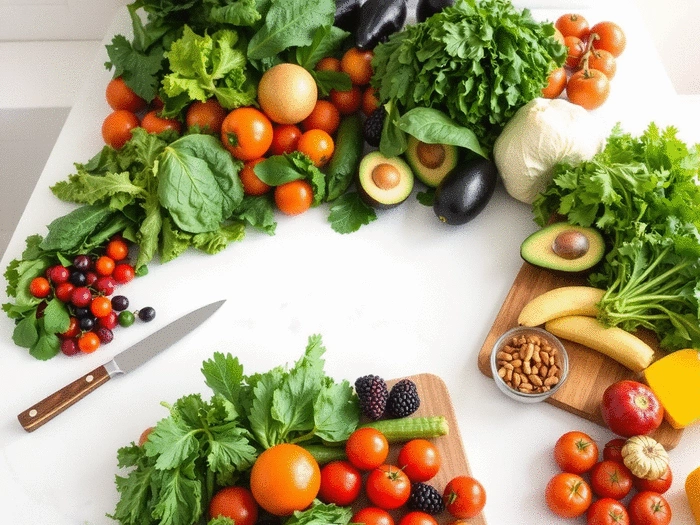
Whole foods are the cornerstone of a plant-based diet. They provide the essential nutrients your body needs to thrive. Here are some key benefits:
Rich in Nutrients: Whole foods are packed with vitamins, minerals, and antioxidants that support your health.
Promote Satiety: These foods are often high in fiber, which can help keep you feeling full and satisfied.
Reduce Processed Food Intake: By focusing on whole foods, you naturally limit your consumption of processed snacks and sugary beverages.
Incorporating more whole foods into your meals can be a game-changer for your health! Think hearty grains, vibrant veggies, and wholesome legumes. It’s about fueling your body with the best ingredients that nature provides.
We Want to Hear From You!
What aspect of a plant-based diet interests you the most? Share your thoughts below:
Frequently Asked Questions About Plant-Based Diets
Here are some common questions about adopting a plant-based diet:
What are the core principles of a plant-based diet? The core principles include prioritizing whole, unprocessed foods, ensuring a diverse range of nutrients, making sustainable choices, and practicing mindful eating.
What is the difference between a vegan and a whole-foods plant-based diet? A vegan diet excludes all animal products, while a whole-foods plant-based diet also excludes animal products but emphasizes whole, unprocessed foods and avoids refined foods.
Why are whole foods important in a plant-based diet? Whole foods are rich in essential vitamins, minerals, and antioxidants, promote satiety due to their high fiber content, and help reduce the intake of processed foods.
What key nutrients should I monitor on a plant-based diet? It's important to monitor Vitamin B12, iron, and omega-3 fatty acids, as these can sometimes be less abundant in purely plant-based sources.
What are some tips for transitioning to a plant-based lifestyle? Gradual changes, meal planning for balance and variety, and patience are key for a smooth transition and lasting habits.
Recap: Your Journey to a Plant-Based Lifestyle
Reflecting on your journey into plant-based eating is a vital part of the process! It’s not just about changing your meals; it’s about embracing a new way of living that supports your health and the planet. Here are some key takeaways that can help ensure a safe and effective transition:
Understand the core principles of a plant-based diet and how they differ from vegan and vegetarian diets.
Focus on whole foods, as they provide the most nutrients and health benefits.
Stay mindful of essential nutrients like Vitamin B12, iron, and omega-3 fatty acids. You can find more detailed information on nutrient considerations in plant-based diets from studies like PMC9708321.
Plan your meals to ensure balance and variety, which will make the transition smoother.
Be patient with yourself! Gradual changes often lead to lasting habits.
As you embark on this exciting journey, remember, it’s all about progress, not perfection! Creating new habits takes time, and that’s perfectly normal.
Resources for Further Learning and Support
At Wellness Insider HQ, we are committed to providing you with all the support you need as you navigate your plant-based journey. Consider checking out the following resources for added guidance:
Books on plant-based nutrition for deeper insights.
Online courses focusing on meal planning and cooking techniques.
Local workshops or support groups that focus on plant-based living.
Podcasts discussing nutrition trends and expert interviews.
These resources can offer valuable knowledge and support as you continue to learn and grow in your plant-based lifestyle.
Exploring Plant-Based Recipes for Everyday Cooking
Cooking can be one of the most enjoyable aspects of switching to a plant-based diet! Let’s explore some simple yet delicious recipes to keep your meals exciting:
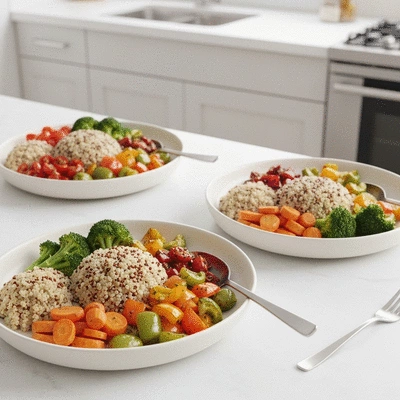
Hearty grain bowls packed with quinoa, roasted vegetables, and a flavorful dressing.
Warm soups loaded with lentils, beans, and seasonal veggies.
Fresh salads featuring a variety of greens, nuts, and seeds for crunch.
Plant-based smoothies that blend fruits, greens, and nut milks for a nutritious start to your day.
Experimenting with these recipes can help you discover new favorites while ensuring your meals are balanced and nourishing.
Taking Action: Next Steps for Your Plant-Based Journey
Encouragement to Start Your Transition Today
There’s no better time than now to take that first step towards a plant-based lifestyle! Consider making a small change today, whether it’s trying out a new recipe or swapping one meat-based meal for a plant-based option. Every little bit counts!
Join a Community for Support and Inspiration
Connecting with others on a similar journey can provide the motivation you need. Look for local or online communities that focus on plant-based eating. Engaging with like-minded individuals can lead to valuable tips, shared recipes, and a sense of camaraderie that makes the transition much more enjoyable. After all, we’re in this together!
Recap of Key Points
Here is a quick recap of the important points discussed in the article:
Embrace a plant-based diet by prioritizing whole, unprocessed foods that nourish your body.
Incorporate a diverse range of fruits, vegetables, grains, and legumes for balanced nutrition.
Focus on sustainable and ethically sourced food choices to benefit both health and the planet.
Understand the distinctions between vegan, vegetarian, and whole-foods plant-based diets.
Be mindful of essential nutrients such as Vitamin B12, iron, and omega-3 fatty acids during your transition.
Plan meals for variety and balance, and remember to be patient as you adjust to new habits.
Smart Timing for Healthy Snacks
Have you ever noticed how adjusting the timing of your snacks can dramatically impact your energy an
Wellness Insider HQ
Your go-to resource for mastering holistic health and well-being. We empower wellness-minded adults with science-backed insights and practical strategies.
Trusted by a vibrant community, our mission is to provide reliable, easy-to-follow guidance backed by expert knowledge and evidence-based research.