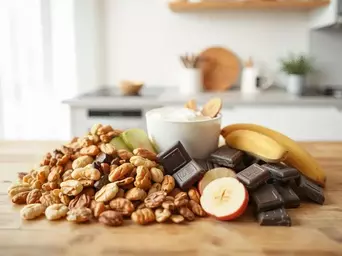
In today's fast-paced environment, the key to a healthier lifestyle may lie in something as simple as meal planning. How can a bit of preparation transform your daily routine and your health? Let's explore.
What You Will Learn
Meal planning promotes consistency in healthy eating habits.
Organized meal prep aids in better time management, allowing for more efficient daily routines.
Planning meals can lead to significant cost savings by reducing food waste and impulsive buying.
Incorporating nutrient-rich recipes enhances energy levels and supports mental well-being.
Meal planning fosters a balanced diet by encouraging diverse food intake.
Effective portion control through meal prep helps in maintaining a healthy weight and improves digestion.
Flexibility in meal planning allows for adjustments based on availability and cravings, leading to enjoyable cooking experiences.
Engaging with a community can provide support and fresh ideas for meal planning.
The Pillars of Effective Meal Planning
Meal planning is crucial for busy adults seeking a healthier lifestyle. The visual below highlights its core benefits and elements.
Why Meal Planning is Essential
✓Consistency in healthy habits
✓Efficient time management
✓Significant cost savings
Benefits of Nutrient-Rich Recipes
★Enhanced energy levels
★Improved mood & reduced stress
★Effective weight management
Health Benefits for Balanced Diet
●Diverse nutrient intake
●Encourages mindful eating
●Reduces unhealthy cravings
Key to Successful Portion Control
■Aids in weight management
■Improves digestion & comfort
■Ensures balanced nutrient intake
Understanding the Importance of Meal Planning for Busy Adults
In today’s hectic world, meal planning has become an essential tool for busy adults striving to maintain a healthy lifestyle. Whether you’re juggling a demanding job, family responsibilities, or personal commitments, taking the time to plan meals can pave the way for better nutrition and wellness. By organizing your meals in advance, you can save time, reduce stress, and make healthier choices that align with your goals.
Meal planning not only simplifies grocery shopping but also allows us to focus on nourishing our bodies with wholesome foods. So, let's dive deeper into why meal planning is crucial for maintaining your health!
Why Meal Planning is Essential for a Healthy Lifestyle
Establishing a meal planning routine can revolutionize your approach to nutrition. When we plan our meals, we prioritize food choices that are beneficial for our health and well-being. Here’s why it’s so important:
Consistency: Regular meal planning helps create a steady routine, making it easier to stick to healthy eating habits.
Time Management: With a clear plan in hand, you can allocate specific times for shopping, cooking, and eating, helping you handle your day more efficiently. For further insights on how meal planning can enhance your routine, you can refer to resources from Wellness at NIH.
Cost Savings: By planning meals, you can avoid impulse purchases and reduce food waste, saving you money in the long run. The USDA's SNAP-Ed program provides valuable tips on meal planning, shopping, and budgeting to help manage expenses effectively.
At Wellness Insider HQ, we believe that a little planning goes a long way. I often say, “Failing to plan is planning to fail,” especially when it comes to nutrition. What steps can you take today to start your meal planning journey?
Benefits of Nutrient-Rich Recipes for Time-Constrained Individuals
Nutrient-rich recipes are the backbone of effective meal planning! They not only ensure you get essential vitamins and minerals but also keep your meals exciting and varied. Here are some key benefits:
Enhanced Energy Levels: Foods packed with nutrients fuel your body, leading to improved energy and productivity throughout the day.
Better Mood: Nutrient-dense meals can positively influence your mental health, helping to reduce stress and improve your mood.
Weight Management: When you focus on nutrient-rich foods, you’re less likely to overindulge in empty calories that contribute to weight gain.
Incorporating these recipes into your meal planning can transform the way you eat and feel. Think about your favorite nutritious ingredients—what dishes can you create with them?
Health Benefits of Meal Planning: How It Supports a Balanced Diet
Meal planning encourages a balanced diet rich in variety. By committing to planning, you’re more likely to include a range of food groups, which is essential for optimal health. Here’s how meal planning supports a balanced diet:
Diverse Nutrient Intake: Planning your meals allows you to mix different food groups, ensuring you receive a well-rounded nutrient profile. For comprehensive guidance on building a balanced diet through meal planning, explore resources like MyPlate.gov's meal planning tips.
Mindful Eating: Having structured meals encourages you to be more mindful about what you consume, reducing the likelihood of unhealthy snacking.
Reduced Cravings: When meals are planned and satisfying, you're less likely to experience cravings for unhealthy foods.
Remember, a balanced diet isn't just about what you eat; it’s about developing a sustainable pattern of eating that makes you feel great. How can you incorporate more variety into your meals this week?
Portion Control: A Key Element of Successful Meal Planning
One of the biggest challenges in maintaining a healthy diet is managing portion sizes. Meal planning can help with this by allowing you to pre-portion your meals. Here’s why portion control matters:
Weight Management: Proper portion sizes can help you maintain or lose weight by preventing overeating.
Better Digestion: Eating the right amounts can improve your digestion and overall comfort after meals.
Balanced Nutrient Intake: Portion control ensures you’re not just eating enough but also eating the right balance of foods.
As you begin meal planning, consider investing in portion containers or using a food scale. This small step can make a significant difference in how you approach your meals. What’s one meal you can start practicing portion control with today?
Interactive Poll: Your Meal Planning Preferences
As you embark on your meal planning journey, we’d love to know your preferences! What aspect of meal planning do you find most challenging?
Frequently Asked Questions About Meal Planning
Q: What are the main benefits of meal planning?
A: Meal planning offers numerous benefits, including promoting consistency in healthy eating, efficient time management, significant cost savings by reducing food waste, enhanced energy levels, improved mood, and effective weight management.
Q: How can meal planning help with time management?
A: By planning your meals in advance, you can simplify grocery shopping, reduce daily decision-making about what to eat, and allocate specific times for cooking, leading to a more efficient daily routine.
Q: Does meal planning help save money?
A: Yes, meal planning helps save money by enabling you to create a shopping list, avoid impulse purchases, and reduce food waste, as you only buy what you need for your planned meals.
Q: How do nutrient-rich recipes contribute to a healthy lifestyle?
A: Nutrient-rich recipes provide essential vitamins and minerals, which lead to enhanced energy levels, improved mood, and better weight management by fueling your body with wholesome foods and reducing cravings for unhealthy options.
Q: What role does portion control play in meal planning?
A: Portion control is a key element of successful meal planning that helps in maintaining or losing weight, improving digestion, and ensuring a balanced nutrient intake by pre-portioning meals and preventing overeating.
Q: How can I ensure flexibility in my meal plans?
A: To ensure flexibility, you can swap ingredients if something is unavailable, adjust recipes based on cravings, or prepare a couple of easy go-to meals for hectic days, making meal planning less rigid and more enjoyable.
Q: Where can I find support and new ideas for meal planning?
A: You can engage with a community by joining online forums, social media groups, local meet-ups, participating in online meal planning challenges, or even taking cooking classes to gain support and fresh ideas.
Wrapping Up Your Meal Planning Journey
As we conclude this exploration of meal planning, it's crucial to reflect on the key takeaways that can make your experience smoother and more rewarding. Meal planning isn't just about organizing your meals; it's about setting the stage for a healthier lifestyle. Remember, the goal is to simplify your cooking routine while ensuring you nourish your body with nutrient-rich foods.
Here’s a quick recap of the essentials:
Define your meal planning method based on your lifestyle.
Incorporate a variety of ingredients to keep meals exciting.
Stay flexible—adjust your plans as needed to accommodate your schedule.
Utilize grocery lists and technology to streamline your shopping experience.
By keeping these points in mind, you can tackle meal planning with confidence and make it a sustainable part of your routine!
Encouraging Flexibility and Adjustments in Your Meal Plans
Life can be unpredictable, and that’s perfectly okay! One of the best aspects of meal planning is its flexibility. When you create your plans, allow for adjustments based on your day-to-day happenings. I often find that incorporating a little wiggle room can lead to more enjoyable cooking experiences.
Here are some tips to help you remain adaptable:
Swap out ingredients if something isn't available.
Change your recipe based on what you're craving that day.
Prepare a couple of easy go-to meals for those hectic days.
With these strategies, you’ll find that sticking to a meal plan becomes less of a chore and more of a creative endeavor!
Next Steps for Your Nutrient-Rich Meal Planning
Exploring Recipe Ideas to Enhance Your Meal Prep
Now that you have the basics down, it's time to delve into some delicious recipes that fit your meal plans. Exploring new recipes not only keeps your meals interesting but also helps you discover fantastic ways to incorporate nutrient-dense ingredients into your diet. Trust me, variety is key to maintaining enthusiasm in your kitchen!
Consider trying out:
Quinoa and roasted vegetable bowls
Chickpea salads with a zesty lemon dressing
Stir-fried tofu and broccoli with brown rice
These options are not only healthy but also relatively quick to prepare. They can easily be adjusted based on what you have on hand!
Engaging with a Community for Continued Support and Inspiration
One of the most rewarding aspects of meal planning is sharing experiences with others. Engaging with a community can provide you with ongoing support and fresh ideas. At Wellness Insider HQ, we encourage our readers to connect with fellow wellness enthusiasts. Online forums, social media groups, or even local meet-ups can become a fantastic source of inspiration!
Here are a few ideas for community engagement:
Join local cooking classes for hands-on experience.
Participate in online meal planning challenges.
Share your meal prep photos on social media and inspire others!
Surrounding yourself with like-minded individuals can enhance your meal planning journey, making it more enjoyable and fulfilling!
Cooking Class Opportunities to Improve Your Culinary Skills
If you're looking to boost your meal preparation skills further, consider enrolling in a cooking class! These workshops can enhance your culinary confidence and introduce you to new techniques that will transform your kitchen experience. I remember taking a few classes myself, and they opened up a world of flavors and cooking styles!
When searching for classes, look for ones that focus on:
Nutrient-dense cooking: Learn how to prepare meals that are both tasty and healthy.
Quick meal prep: Discover strategies to get healthy meals on the table fast.
Specific dietary needs: Classes that cater to vegan, gluten-free, or other dietary preferences.
Investing time in cooking classes can elevate your meal planning game and make cooking a delightful part of your life!
Recap of Key Points
Here is a quick recap of the important points discussed in the article:
Establish a consistent meal planning routine to maintain healthy eating habits.
Incorporate a variety of nutrient-rich recipes to enhance energy levels and improve mood.
Focus on portion control to aid in weight management and ensure balanced nutrient intake.
Utilize grocery lists and technology to streamline your shopping experience and reduce food waste.
Stay flexible with your meal plans, allowing adjustments based on availability and cravings.
Smart Timing for Healthy Snacks
Have you ever noticed how adjusting the timing of your snacks can dramatically impact your energy an
Wellness Insider HQ
Your go-to resource for mastering holistic health and well-being. We empower wellness-minded adults with science-backed insights and practical strategies.
Trusted by a vibrant community, our mission is to provide reliable, easy-to-follow guidance backed by expert knowledge and evidence-based research.